Pellet
What is Pellet?
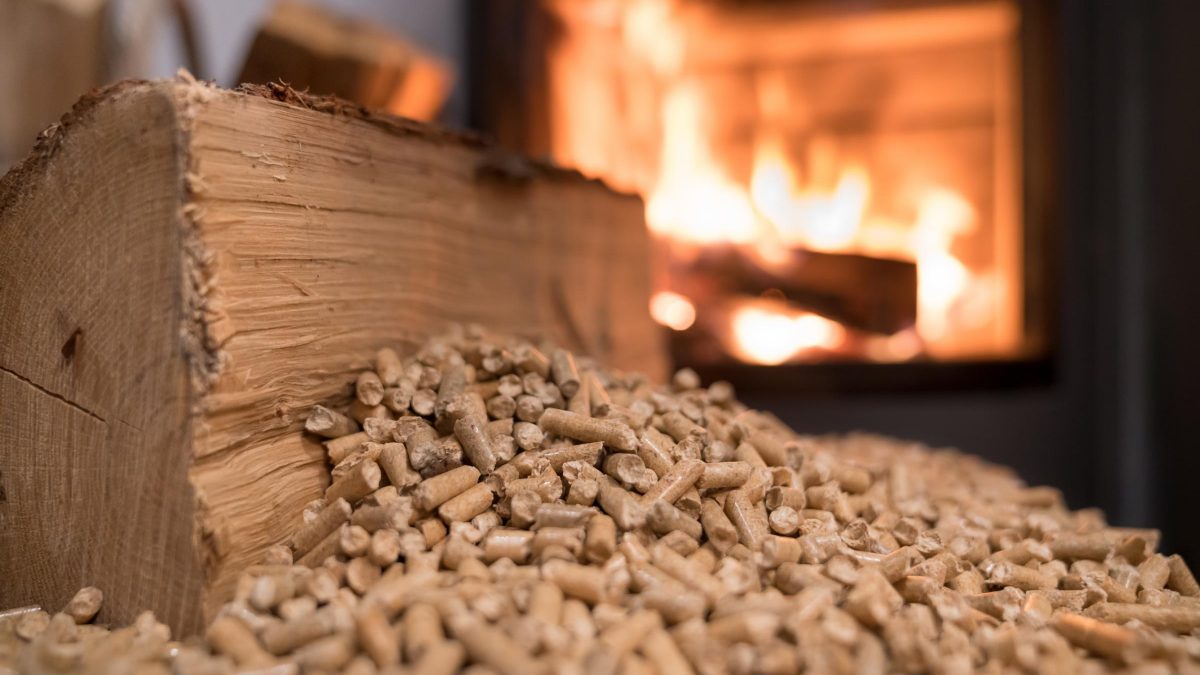
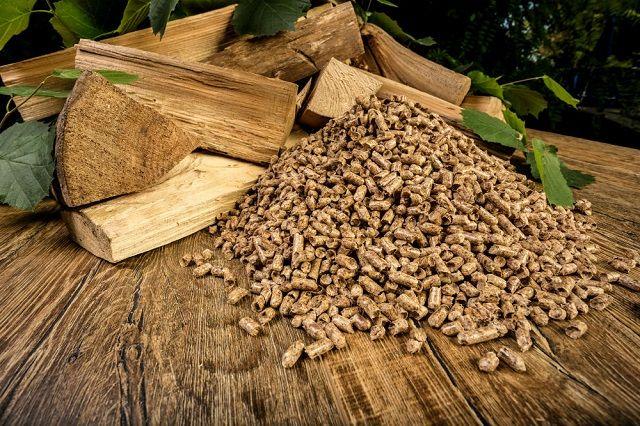
Pellet is a compressed fuel form that means biomass fuel. This type of fuel is usually produced by compressing wood, grain, or other organic materials.
The pressing process results in the material being processed under high temperature and compressed pressure. The result is an environmentally friendly fuel with high energy density.
Another important feature of pellets is their low moisture content and high energy efficiency. These characteristics make pellet fuel a biomass fuel used in homes and energy production.
Pellet fuel is a type of renewable energy source in which processed biomass is produced in the form of cylindrical pellets. These types of fuels are mostly made from wood, trees, sawdust, straw, and other natural materials.
Pellets are an effective fuel alternative because they have excellent energy density and low moisture content. The production of pellet fuel begins with the compression and shaping of raw materials into a specific form. This process increases the energy content and facilitates the storage and transportation of pellets.
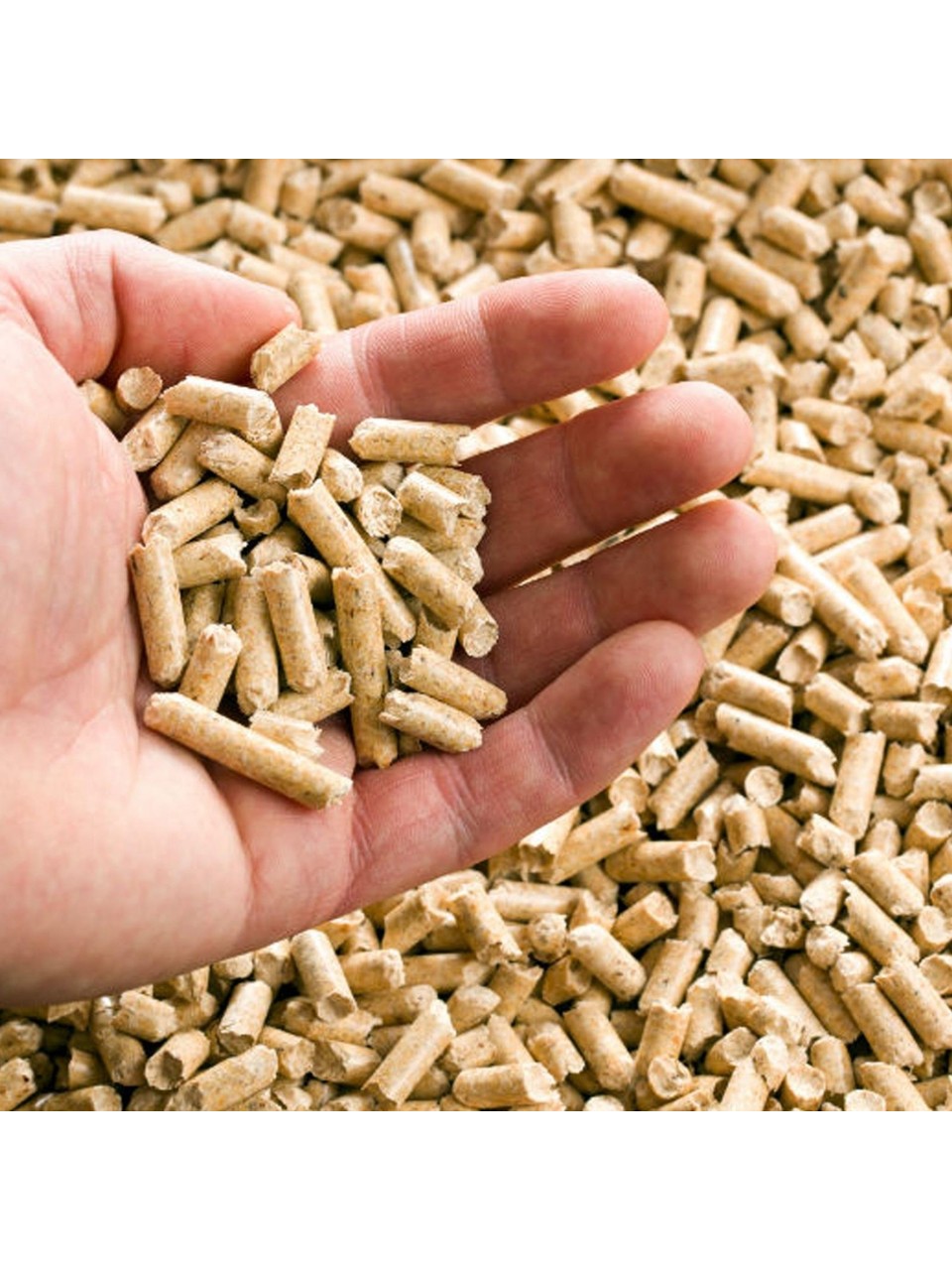
Normally, pellets are 6-10 mm in diameter and 1-3 cm in length. Pellet fuel is known to be environmentally friendly due to its high combustion efficiency and low emission values.
This fuel type can be used in various heating systems and industrial applications. Pellet fuel has been proven to be sustainable, helping to conserve natural resources and reduce energy costs.
What Are the Types of Pellet Fuel?
Pellet fuel can come in different types because it is produced from various raw materials. These types are classified according to their areas of use, production processes, and energy content. Below are the types of pellet fuel:
• Wood Pellets: They are usually produced from wood waste, chopped wood, and raw materials obtained from the forest industry. They have high energy efficiency.
• Grain Pellets: They are produced from the waste of agricultural products such as corn, wheat, and barley. They are important in terms of the utilization of agricultural waste.
• Vegetable Pellets: Made from raw materials obtained from soy, sunflower, and other vegetable oils. They can also be produced from the waste of various agricultural plants.
• Blended Pellets: Pellets created by combining different types of raw materials. They can increase energy efficiency.
• Industrial Pellets: Pellets designed for larger-scale energy production and processed through special processes. They are generally used in industrial facilities.
Different types of pellet fuel can be preferred depending on energy needs and environmental conditions. This diversity increases the flexibility and prevalence of pellet fuel.
What Are the Advantages of Pellet Fuel?
Pellet fuel, which has a comparative position in the energy sector, has many advantages. First, high energy efficiency is an additional advantage. Combustion processes are highly efficient and require less fuel for heating systems.
Additionally, its eco-friendliness is another advantage. Pellet fuel is typically made from wood or agricultural waste, resulting in very low carbon emissions. This fuel contributes to the preservation of natural resources and is one of the existing renewable energy sources.
Pellet is a compressed fuel form that means biomass fuel. This type of fuel is usually produced by compressing wood, grain, or other organic materials.
The pressing process results in the material being processed under high temperature and compressed pressure. The result is an environmentally friendly fuel with high energy density.
Another important feature of pellets is their low moisture content and high energy efficiency. These characteristics make pellet fuel a biomass fuel used in homes and energy production.
Pellet fuel is a type of renewable energy source in which processed biomass is produced in the form of cylindrical pellets. These types of fuels are mostly made from wood, trees, sawdust, straw, and other natural materials.
Pellets are an effective fuel alternative because they have excellent energy density and low moisture content. The production of pellet fuel begins with the compression and shaping of raw materials into a specific form. This process increases the energy content and facilitates the storage and transportation of pellets.
Normally, pellets are 6-10 mm in diameter and 1-3 cm in length. Pellet fuel is known to be environmentally friendly due to its high combustion efficiency and low emission values.
This fuel type can be used in various heating systems and industrial applications. Pellet fuel has been proven to be sustainable, helping to conserve natural resources and reduce energy costs.
What Are the Types of Pellet Fuel?
Pellet fuel can come in different types because it is produced from various raw materials. These types are classified according to their areas of use, production processes, and energy content. Below are the types of pellet fuel:
• Wood Pellets: They are usually produced from wood waste, chopped wood, and raw materials obtained from the forest industry. They have high energy efficiency.
• Grain Pellets: They are produced from the waste of agricultural products such as corn, wheat, and barley. They are important in terms of the utilization of agricultural waste.
• Vegetable Pellets: Made from raw materials obtained from soy, sunflower, and other vegetable oils. They can also be produced from the waste of various agricultural plants.
• Blended Pellets: Pellets created by combining different types of raw materials. They can increase energy efficiency.
• Industrial Pellets: Pellets designed for larger-scale energy production and processed through special processes. They are generally used in industrial facilities.
Different types of pellet fuel can be preferred depending on energy needs and environmental conditions. This diversity increases the flexibility and prevalence of pellet fuel.
What Are the Advantages of Pellet Fuel?
Pellet fuel, which has a comparative position in the energy sector, has many advantages. First, high energy efficiency is an additional advantage. Combustion processes are highly efficient and require less fuel for heating systems.
Additionally, its eco-friendliness is another advantage. Pellet fuel is typically made from wood or agricultural waste, resulting in very low carbon emissions. This fuel contributes to the preservation of natural resources and is one of the existing renewable energy sources.